Anti-DEI Efforts Are the Latest Attack on Racial Equity and Free Speech
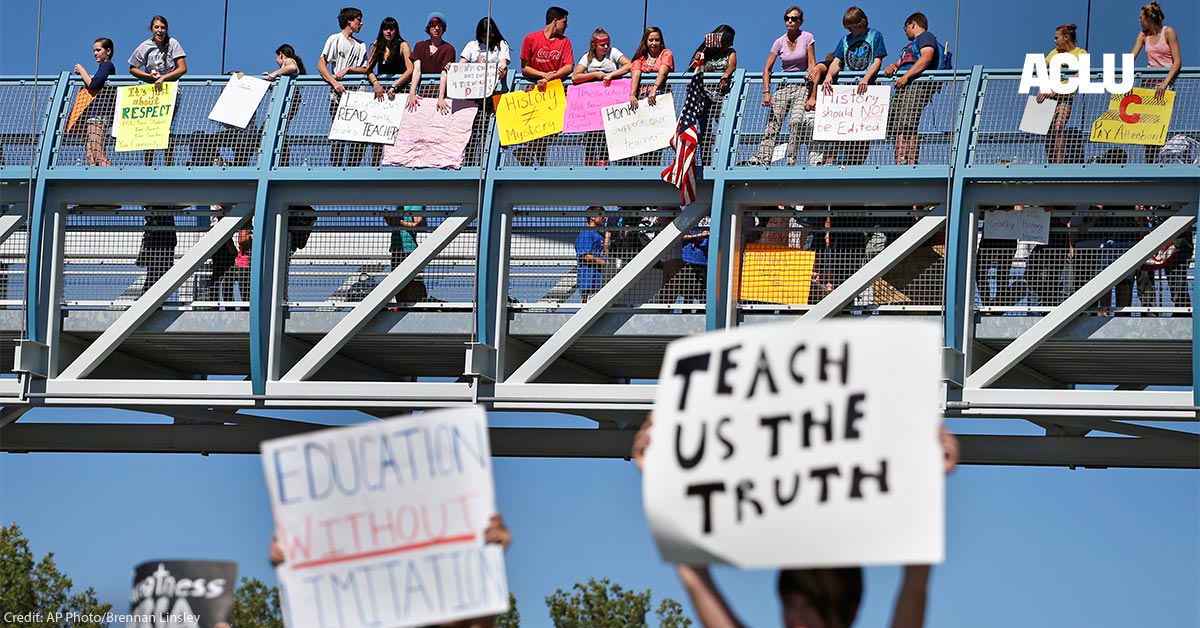
First, Donald Trump and right-wing extremists attacked government trainings on racism and sexism. Then the far right tried to censor classroom instruction on racism and sexism. Next, they banned books about BIPOC and LGBTQ lives. Today, the extreme right’s latest attack is aimed at dismantling diversity, equity and inclusion (DEI) programs.
In 2023, the far right introduced at least 65 bills to limit DEI in higher education in 25 states and the U.S. Congress. Eight bills became law. If this assault on our constitutional rights feels familiar, that’s because it is. It was last seen in 2020 when Trump-aligned politicians fought to pass unconstitutional laws aimed at censoring student and faculty speech about race, racism, sex and sexism. The ACLU challenged these laws in three states, but today, anti-DEI efforts are the new frontier in the fight to end the erasure of marginalized communities.
DEI programs recruit and retain BIPOC, LGBTQ+, and other underrepresented faculty and students to repair decades of discriminatory policies and practices that excluded them from higher education. The far right, however, claims that DEI programs universally promote undeserving people who only advance because they check a box. Anti-DEI activists like Christopher Rufo consistently frame their attack as a strike against “identity politics,” and have weaponized the term “DEI” to reference any ideas and policies they disagree with, especially those that address systemic racism or sexism.
This attack on DEI is part of a larger backlash against racial justice efforts that ignited after the 2020 killings of George Floyd, Ahmaud Arbery and Breonna Taylor. At the time, workplaces, schools, and other institutions announced plans to expand DEI efforts and to incorporate anti-racism principles in their communities. In response, far-right activists, led by Rufo and supported by right-wing think tanks such as The Manhattan Institute, The Claremont Institute, and The Heritage Foundation, went on the offensive.
Leveraging Fox News and other mainstream media outlets, Rufo and his supporters sought to manufacture hysteria around the inclusion of critical race theory in schools and workplaces. After a 2020 appearance on Fox News where Rufo misrepresented the nature of federal trainings on oppression, white privilege, and intersectionality as indoctrination of critical race theory in our public spaces, Rufo convinced former President Trump to end federal DEI training. Rufo’s goal was to limit discourse, instruction, and research that refuted the false assertion that racism is not real in America – and he succeeded. Just three weeks later, Trump issued Executive Order 13950, which banned federal trainings on systemic racism and sexism. This Executive Order served as the template for most of the educational gag orders, or bills introduced to limit instruction on systemic sexism and racism in 40 states, 20 of which are now law.
The ACLU has consistently opposed efforts to censor classroom instruction on racism and sexism, including in Florida where some of the most egregious attacks on DEI, critical race theory and inclusive education have been mounted. Following the far right’s “anti-wokeism” playbook, in April 2022, Florida Governor Ron Desantis signed the Stop W.O.K.E. Act, which seeks to ban training or instruction on systemic racism and sexism in workplaces, K-12 schools, and higher education. The ACLU, the ACLU of Florida and our co-counsel challenged the law, claiming it violates the First and Fourteenth Amendments by imposing viewpoint-based restrictions on instructors and students in higher education, and fails to state explicitly and definitely what conduct is punishable. A federal judge has blocked it from being enforced in public universities across the state.
Instead of ceasing to censor free speech, the far right pivoted to target DEI programs. For example, Florida passed Senate Bill 266 in April 2023. This law would expand the Stop W.O.K.E. Act’s prohibition on training and instruction on racism and sexism, seeking to eliminate DEI programs and heavily restrict certain college majors related to DEI. Just last month, the Florida State Board of Education moved forward with regulations to limit the use of public funds for DEI efforts in Florida’s 28 state colleges. The State Board also replaced the Principles of Sociology course, which was previously required, with an American History course to avoid “radical woke ideologies.”
Led by the same far-right leaders, including Rufo and various think-tanks, these anti-DEI efforts utilize the same methods as the attack on critical race theory. They represent yet another attempt to re-whitewash America’s history of racial subjugation, and to reverse efforts to pursue racial justice—or any progress at all. Anti-DEI rhetoric has been used to invalidate immunological research supporting the COVID-19 vaccine, conclusions by economists on mass migration, and even the January 6 insurrection. But these false claims are not what DEI is about. By definition equity means levelling the playing field so qualified people from underrepresented backgrounds have a fair chance to succeed. We cannot let a loud fringe movement convince us otherwise.
In its attacks on DEI, the far right undermines not only racial justice efforts, but also violates our right to free speech and free association. Today, the ACLU is determined to push back on anti-DEI efforts just as we fought efforts to censor instruction on systemic racism and sexism from schools.
Border Patrol’s Abusive Practice of Taking Migrants’ Property Needs to End
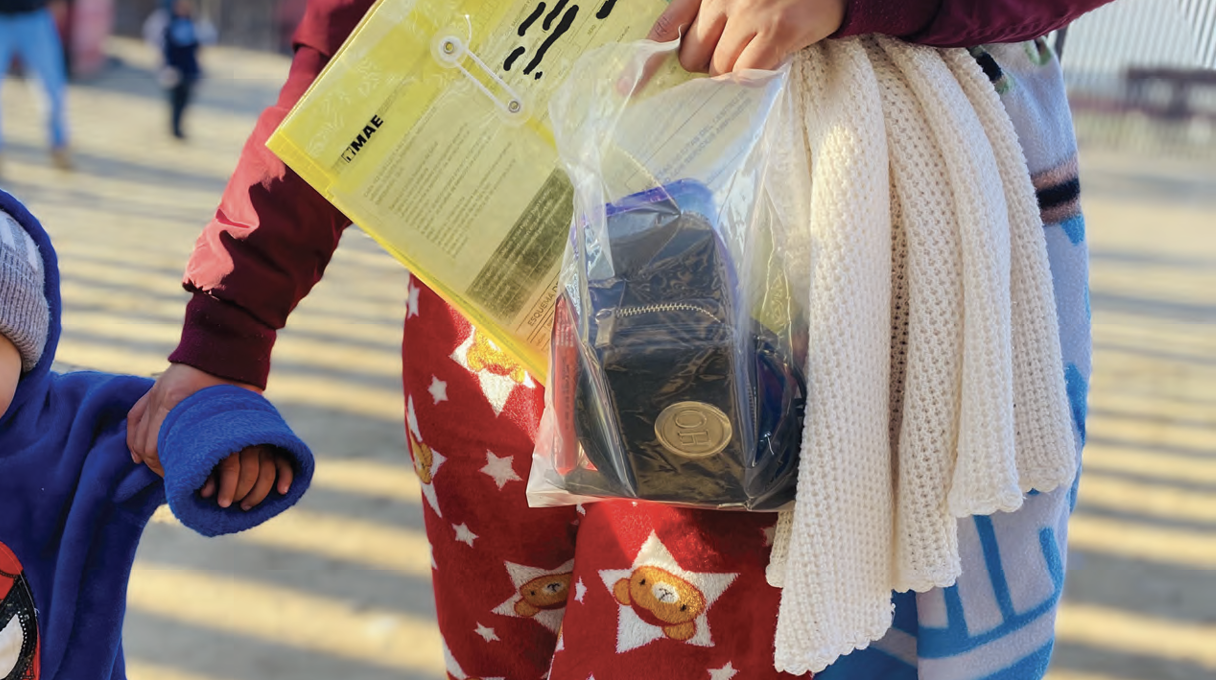
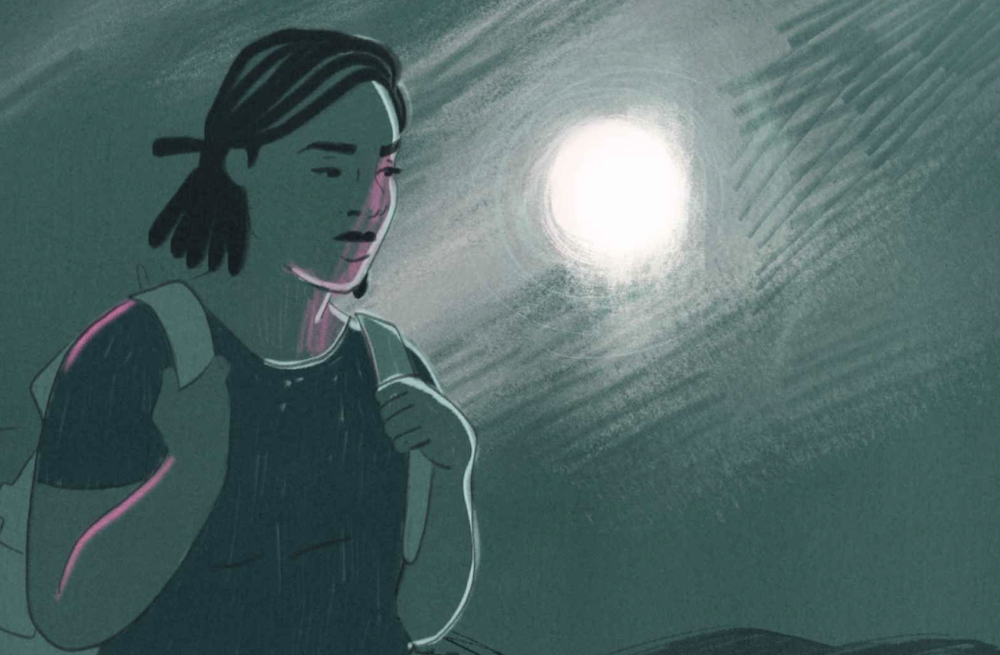
Seeking lives of safety and opportunity, people coming to the United States as migrants and asylum-seekers may carry only their most essential and beloved possessions. When they arrive in the U.S. and are taken into Border Patrol custody, many migrants endure the devastating loss of their property: Border Patrol agents routinely confiscate, trash, or force them to throw away their precious belongings.
In a new report published in partnership with organizations working on the southern border, From Hope to Heartbreak, we document routine cases of this abusive treatment focusing on confiscation of medication and medical devices, legal and identity documents, religious items, and items of financial, practical, or sentimental value.
The report relies heavily on hundreds of intakes conducted by the Kino Border Initiative (KBI), which runs a migrant aid center along Mexico’s border with Arizona, and ProtectAZ Health, which offers free medical screenings and care to migrants in Phoenix.
Medications and Medical Devices
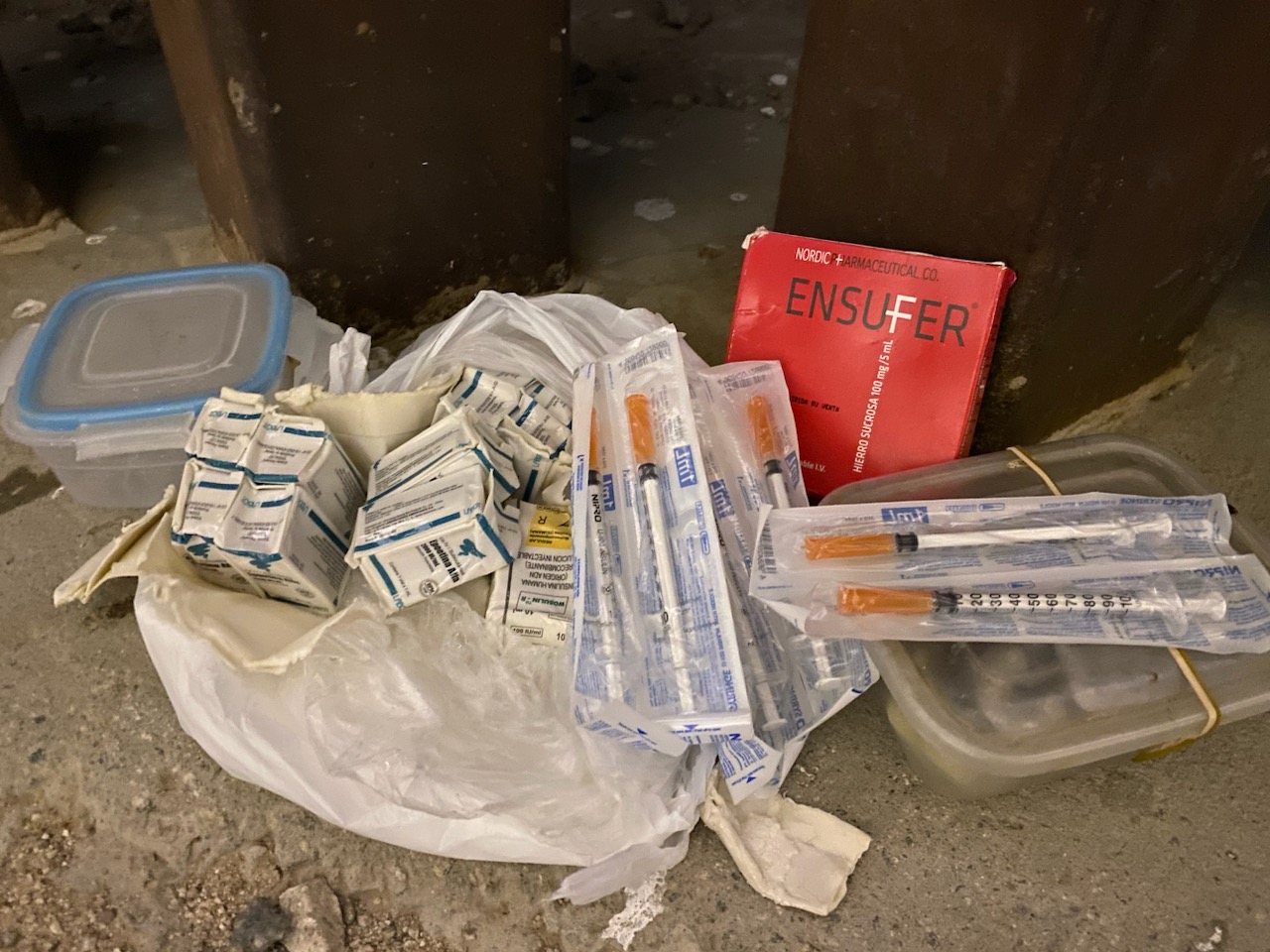
Border Patrol and its parent agency, Customs and Border Protection (CBP), have routinely confiscated life-saving medications and medical devices from adults and children who have illnesses such as seizure disorders, high blood pressure, diabetes, asthma, and genetic conditions.
CBP agents took a 5-year-old girl’s epilepsy medications away from her mother. When the little girl, whom we are calling Rosa, experienced convulsions, she was taken to the hospital. When she was discharged from the hospital and returned to CBP custody with new medications and special dietary supplements, CBP agents confiscated those. Not until the family was released to a shelter in Las Cruces, New Mexico, did Rosa receive the medical care she needed.
Depriving people of their necessary medication obviously risks their health and safety. It also adds stress to local hospital systems, as people need to visit the emergency room or be hospitalized because their health deteriorates from missing their medication.
ProtectAZ received a 13-year-old boy, whom we are calling Leonel, at their shelter. Leonel has a genetic condition in which he lacks a necessary amino acid that prevents the build up of ammonia in his body. The condition can have serious consequences if untreated, including seizures, coma and death. Leonel needed to take daily supplements, but they were confiscated by Border Patrol in Casa Grande, Arizona. At the ProtectAZ shelter, Leonel’s health deteriorated, and he had to be admitted to the hospital for a week to stabilize his condition.
In a separate occurrence, a 7-year-old boy with moderate-persistent asthma was detained for two days. His inhaler was taken away, and he wasn’t given a replacement. After being released, he developed respiratory symptoms, and his condition worsened quickly. His family took him to the emergency department, and he was transferred to a pediatric intensive care unit.
Legal and Identity Documents
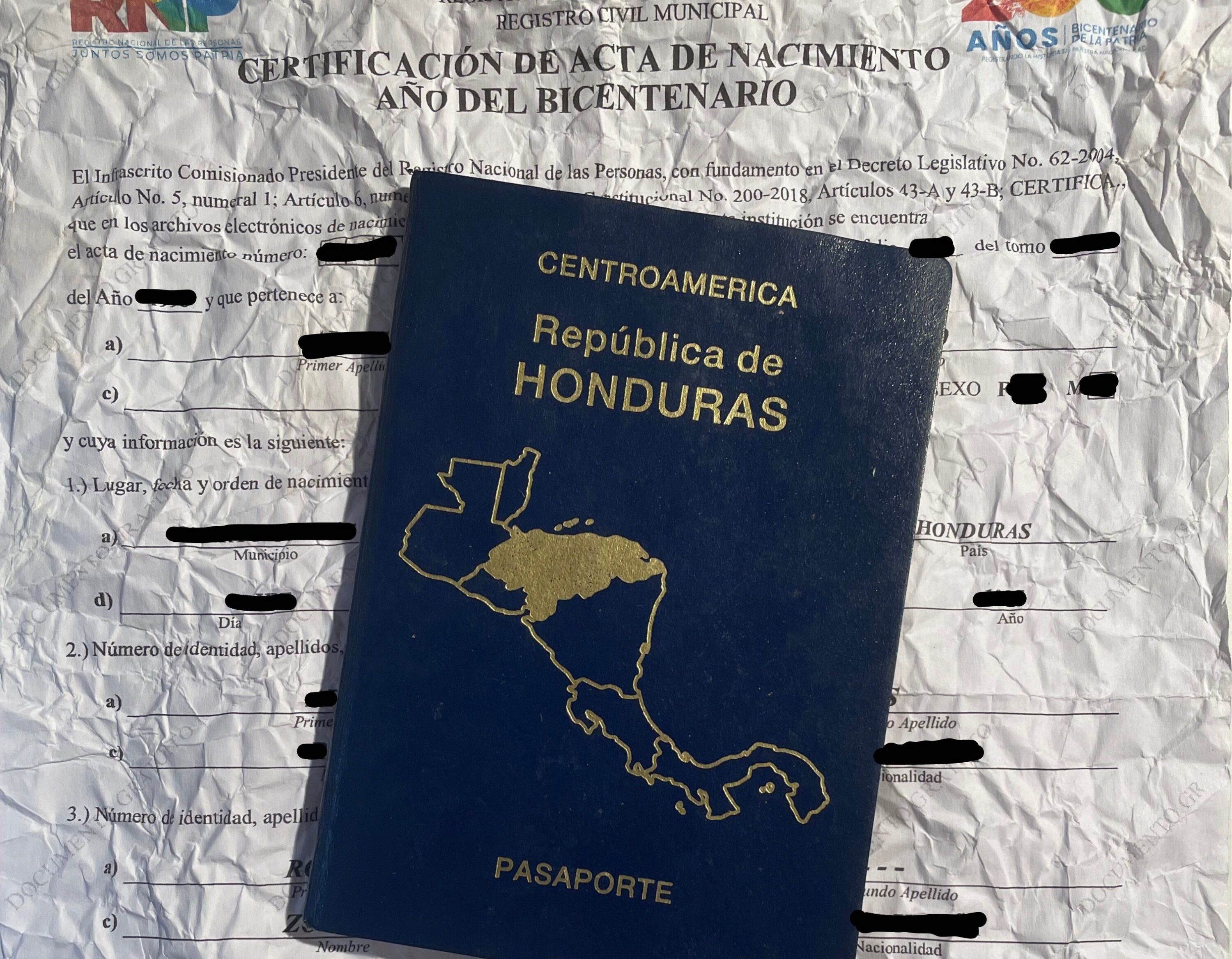
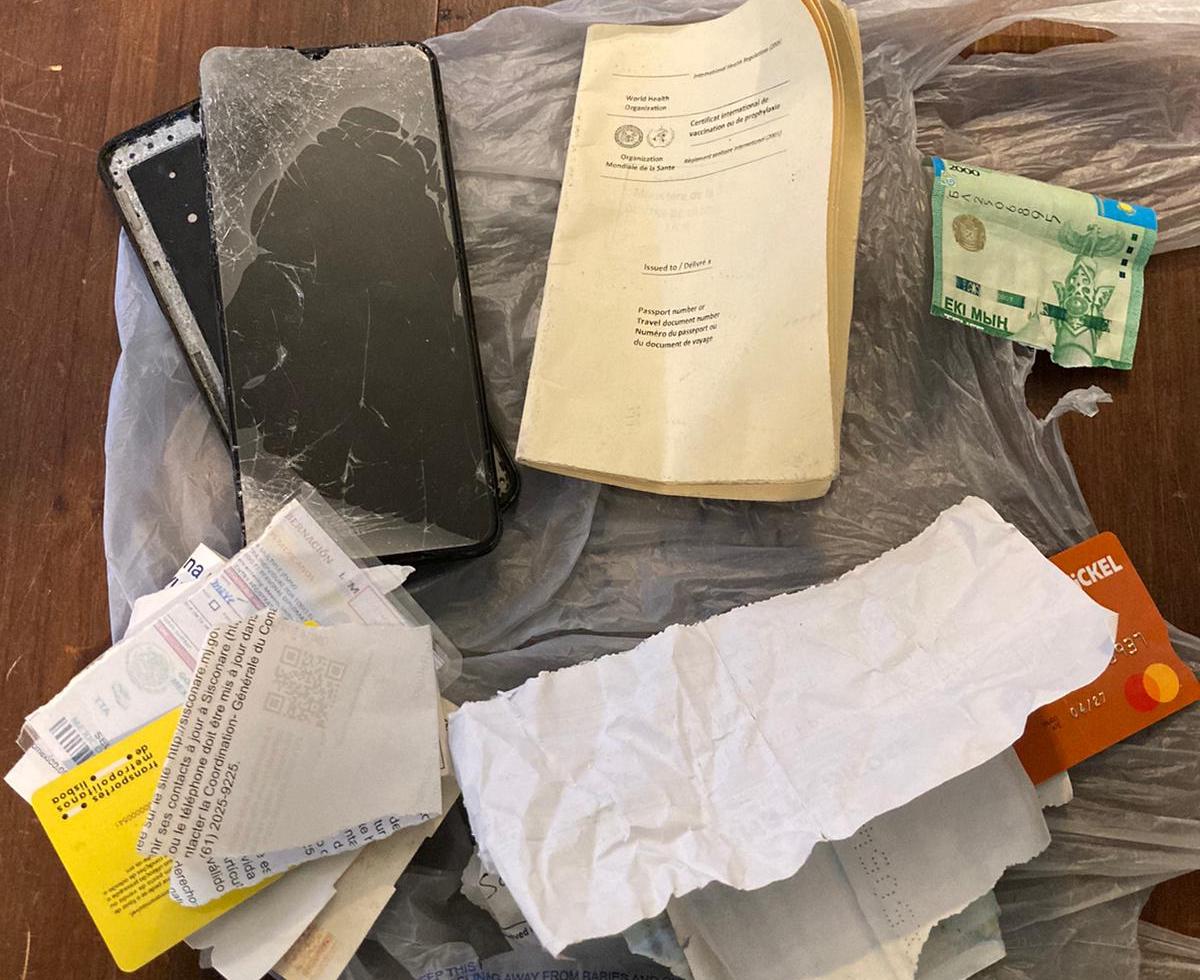
Confiscating or destroying legal and identity documents, such as birth certificates, passports, medical records, and documents to substantiate asylum claims, has been a hallmark of Border Patrol’s operations.
One man told KBI that Border Patrol agents tore his birth certificate up in front of him. He managed to save his Mexican identity card because he had hidden it in his shoe. Advocates in the Rio Grande Valley Sector in Texas report finding discarded documents that could be important in substantiating asylum claims, such as police reports and medical records. Volunteers with the Borderlands Collective in San Diego say document confiscation is especially concerning for parents of minor children, who may not be able to prove that they are family without their children’s birth records.
“Passports are very important here,” one person had shared. “To open an account, to identify yourself, and I don’t have that document. I don’t have the children’s birth records because they took them from me. That makes me feel terrible.”
Migrants who are deported, expelled or returned to Mexico cannot withdraw or receive money without identity documents. Confiscated or destroyed documents pose a significant barrier to asylum-seekers’ ability to substantiate their claims. The Children’s Legal Center sued Immigration and Customs Enforcement (ICE) on behalf of 68 asylum-seekers whose documents the agency had confiscated. The lawsuit argues the confiscation violates the plaintiffs’ due process rights to seek work authorization and to support their asylum cases.
Religious Items
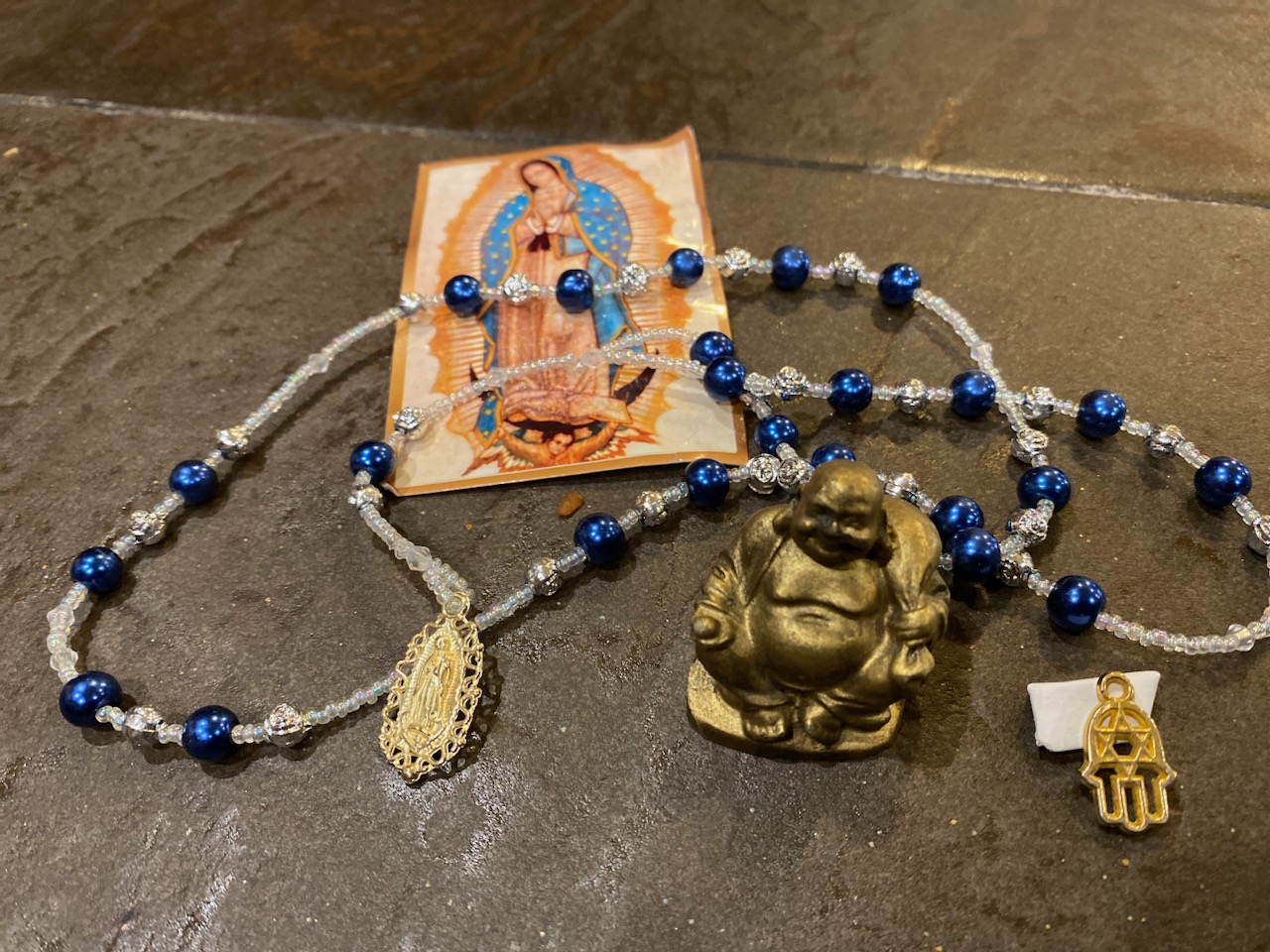
Over the summer of 2022, there was a spike in reports of Border Patrol taking away Sikh asylum-seekers’ turbans. Forcing a Sikh person to remove their turban is a serious violation of their faith. “They told me to take off my turban. I know a little English, and I said, ‘It’s my religion.’ But they insisted.” The man pleaded with the officers, but they forced him to remove his turban and toss it in a pile of trash. He asked if he could at least keep his turban for when he was released from custody, but they told him no.
While Border Patrol has since taken positive steps forward on how it handles turbans and other Sikh articles of faith, the agency’s religious freedom violations aren’t limited to people of the Sikh faith. A person told KBI that Border Patrol agents took his Bible, which he told them had significant spiritual meaning to him, and trashed it in front of him. Border Patrol agents in Yuma told several Muslim migrants they had to throw away their prayer mats. One of the men said his prayer mat had been in his family for more than 100 years.
Migrants’ religious freedom is protected both by the First Amendment and the federal Religious Freedom Restoration Act, which provides additional protection for the free exercise of religion. Some asylum-seekers are fleeing religious persecution in their home countries, and the experience of CBP violating their religious faith can be a retraumatizing experience. CBP has been made aware of their violations for years, suggesting a failure of CBP policy and practice to fully respect the religious freedom rights of migrants and asylum-seekers.
Items of Practical, Financial, or Sentimental Value
Migrants have regularly reported Border Patrol agents confiscate their money and cellphones. These items are of clear value and represent a devastating loss: impoverishment and loss of contact with loved ones. Several migrants told KBI they lost the equivalent of hundreds of dollars to Border Patrol. One man described seeing a Border Patrol agent take 3,000 pesos from another man and rip it up in his face. Other migrants described the loss of family photos on their confiscated cellphones.
Confiscation of clothing appears to be widespread in Border Patrol custody, leaving migrants with only a single layer of clothing. “The official asked me how many shirts I had, and I responded that I had two shirts plus a sweater. The official started laughing and told me I had to take everything off but one shirt,” one person recounted.
Volunteers and shelters supporting migrants are critical of this practice, especially during the winter and if migrants are traveling north. One shelter in Las Cruces, New Mexico, said it spent $100,000 every month to provide clothes to migrants. Once the Border Patrol sectors in New Mexico reduced their confiscation of people’s clothes, the shelter reported reducing costs for clothing people by half.
Finally, migrants report having their cherished belongings confiscated or trashed – children’s toys, heirloom jewelry, and even a loved one’s ashes. One man said Border Patrol agents forced him to throw away his father’s ashes – his father had died while journeying to the U.S. from Nicaragua.
The Systematic Confiscation of Migrants' Belongings at the U.S. Southern Border, Despite the Vast Resources Available to Border Patrol, is Indefensible
CBP’s practice of property confiscation and destruction isn’t only cruel, unnecessary, and, in some cases, life-threatening, in many cases, it likely violates federal law and policy. We outline achievable policy changes that CBP can adopt to protect the dignity, safety, and rights of people arriving in the U.S.
Border Patrol must ensure migrants in its custody and those released from custody have continuous access to their medications and medical devices. Migrants should be allowed to keep as many of their personal belongings as possible in custody and after they are released. CBP must change its policies to comply with federal safeguards of religious freedom in its treatment of people’s religious garb and religious items.
The bottom line is that CBP can and must do better to live up to our nation’s values and commitments to people seeking safety within our borders. People seeking refuge in the U.S. deserve to be welcomed with dignity.