Louisiana has more people in immigration detention than any other state in the country except Texas. Across the state, thousands of people are held in just nine Immigrations and Customs Enforcement (ICE) facilities, often in isolated regions where legal services are almost nonexistent. To put this into context, there are only about 10-12 pro-bono attorneys for the entire state, despite the immense need for legal support. This means that people detained in Louisiana essentially have no basic legal orientation or assistance in navigating the labyrinth that is the immigration legal system.
That’s why the ACLU of Louisiana has developed a unique series of visits to remote Immigrations and Customs Enforcement (ICE) facilities, combining direct legal assistance with on-the-ground advocacy and litigation. About every five to seven weeks, we, along with coalition partners like Robert F. Kennedy Human Rights and the Southern Poverty Law Center, pile into cars stuffed with Know Your Rights (KYR) materials in up to 10 languages to drive to visit two to three detention centers over the course of a week. We’ve been visiting people in detention and distributing these materials for the past two years.
During these visits, we conduct group KYR presentations and one-on-one interviews with detained individuals to provide vital information that people in removal proceedings desperately need. These presentations, while general, also delve into crucial details about the asylum process, other available protections in the U.S., and how to seek release from detention.
Over the course of these visits, we also gather valuable information about issues that people are facing in detention and in their removal proceedings. While the facilities may skate by their annual inspections, these visits provide a direct line to people who can report what is happening on the ground. People we meet often tell us that we are the only lawyers providing any help in the region, and we have been greeted with tears of relief for providing the first friendly face who can explain why they are even detained while trying to seek asylum. This is especially true for individuals with limited English proficiency, or individuals who speak Indigenous or less common languages, and thus have not been able to communicate with nearly anyone while detained.
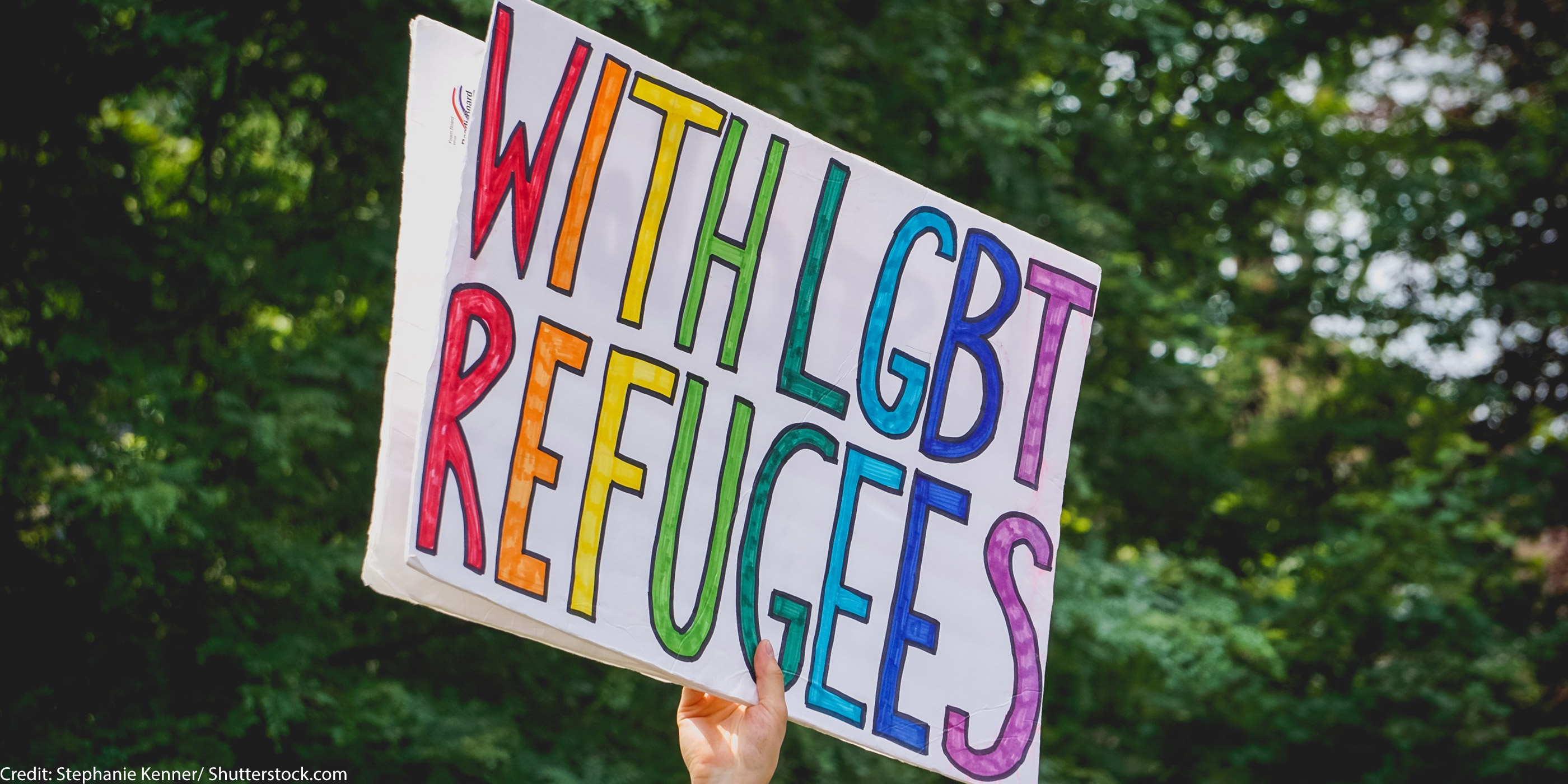
Our client sought refuge from violence and persecution. Instead, ICE detained her for over six years.
Source: American Civil Liberties Union
We intervene in individual cases when we can, advocating for individuals with ICE, U.S. Citizenship and Immigration Services (USCIS), and the immigration courts. Occasionally, we and our partners are able to represent individuals in particularly egregious situations — like the case of Jessica Barahona-Martinez, an LGBTQ+ asylum seeker who was detained for over six years despite winning asylum twice, until we and the ACLU Immigrants’ Rights Project filed a habeas petition seeking her release. These trips are an invaluable opportunity to document the cruelty and impact of ICE detention and support coalition efforts to shut down facilities in the region.
In future blogs, we will delve into recent KYR trips taken by the ACLU of Louisiana in addition to trips made by affiliates in other states, sharing insights about the broader challenges people face in immigration detention today — including lack of medical care and language access services, abuse and intimidation by facility staff, appalling conditions, and due process concerns. The experiences of people in immigration detention in Louisiana are by no means limited to the state, and instead, exemplify the systemic issues people in immigration detention face nationwide.


.jpg)